
Setting Your Target: From Monthly Costs to Realistic Goals
Step-by-step process for calculating your actual expenses and deciding whether your emergency fund target should be 3, 6, or more months of expenses.
Understanding the financial risks that catch families off guard and why having a cushion isn’t optional — it’s essential.
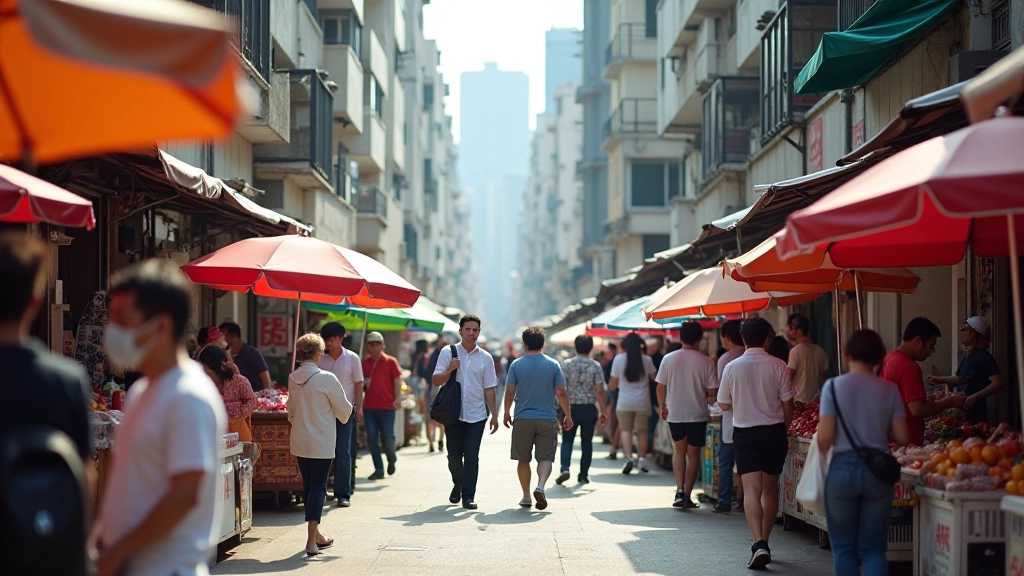
Life doesn’t follow a budget. Your car breaks down. Someone loses their job. A medical bill arrives unexpectedly. These aren’t rare events — they’re part of life in Hong Kong, where cost of living is high and unexpected expenses can derail families quickly.
Here’s the thing: most Hong Kong households don’t have enough cash saved for emergencies. When something unexpected happens, families either go into debt, miss paying bills, or sell investments at the worst possible time. An emergency fund prevents all of that.
An emergency fund is simply cash set aside specifically for unexpected expenses. It’s not an investment. It’s not for holidays or upgrades. It’s there for when things go wrong — and they will.

Car repairs cost 5,000–15,000 HKD. A root canal or dental work? 8,000–20,000 HKD. Home repairs like plumbing or electrical issues? 10,000–30,000 HKD. Job loss means losing income for weeks or months while you search for work.
Without a buffer, families tap credit cards, borrow from relatives, or drain retirement savings. That’s expensive. Credit cards charge 30–40% interest per year. Dipping into long-term investments means losing compound growth and potentially triggering tax consequences.
The stress is real too. Financial anxiety affects sleep, relationships, and work performance. Having a cushion removes that anxiety. You can handle emergencies calmly instead of panicking.
Beyond just handling unexpected costs — it transforms how you make financial decisions
You won’t need to use high-interest credit cards or loans when emergencies strike. That alone saves thousands in interest.
You can leave a bad job without panic. An emergency fund gives you options. You’re not forced to stay somewhere toxic just because you need the paycheck.
You’ll sleep better knowing you’re prepared. Financial stress drops significantly. Relationships improve when money isn’t a constant source of worry.
Without an emergency fund, you make desperate choices. With one, you can think clearly and make smart decisions about repairs, replacements, and opportunities.
Long-term investments need time to grow. An emergency fund means you don’t have to sell stocks or bonds early when you hit rough patches.
Each month without an emergency means you’re one step closer to financial stability. Once you have 3-6 months of expenses saved, you’re genuinely secure.
Hong Kong’s high cost of living means emergencies cost more. Rent alone consumes 30–50% of income for many families. When you’re spending most of your earnings on housing and daily expenses, there’s no room for surprises.
Medical costs aren’t fully covered by insurance. If you need specialized treatment, you’re paying thousands out of pocket. Job market changes happen fast in Hong Kong. Restructuring, company relocations, and industry shifts can displace workers without warning.
Plus, Hong Kong’s expat population faces unique challenges. If you’re not a permanent resident, your job security might be tied to visa sponsorship. Currency fluctuations matter if you’re sending money home. Family emergencies abroad might require emergency flights.
Building an emergency fund isn’t just smart in Hong Kong — it’s necessary.

You don’t need to save months of expenses immediately. Start small, build gradually, and you’ll be surprised how quickly it adds up.
Find a bank offering 4–5% interest on savings. In Hong Kong, banks like DBS, OCBC, and UOB have competitive rates. Your emergency fund should earn interest while staying completely accessible.
Don’t wait until you can save 3 months of expenses. Start with whatever you can manage — even 500 or 1,000 HKD. This covers small emergencies and builds momentum. You’re proving to yourself you can do this.
Set up automatic transfers from your checking account to your emergency fund on payday. Even 500 HKD monthly adds up to 6,000 HKD yearly. You won’t miss it, and it happens automatically.

If you save 500 HKD monthly, you’ll have 6,000 HKD in one year. That covers minor emergencies. Keep going. By year two, you’ll have 12,000 HKD. That’s a month of basic living expenses for many households.
The target is 3–6 months of expenses. For someone spending 20,000 HKD monthly on essentials, that’s 60,000–120,000 HKD. Sounds like a lot, but you’re not saving it all at once. You’re building it gradually while earning interest.
The best time to start was yesterday. The second best time is right now. You’re not building it for fun — you’re building security.
An emergency fund isn’t a luxury. It’s not something you do when you’ve got extra money. It’s the foundation of financial health. Every Hong Kong household needs one because life is unpredictable.
You don’t need to be perfect. You don’t need a huge initial amount. You just need to start. Open an account. Set up an automatic transfer. Watch it grow. Within months, you’ll have a real safety net.
That peace of mind? That ability to handle surprises without panic? That’s worth it.
Learn how to calculate your target amount and choose the right savings account for your situation.
Read: Setting Your Target AmountThis article provides educational information about emergency funds and financial planning. It is not financial advice, investment advice, or a recommendation to use any specific bank or product. Your financial situation is unique. Circumstances, income, expenses, and needs vary. Before making financial decisions, consult with a qualified financial advisor or bank representative who understands your specific situation. Interest rates, product features, and regulations change. Always verify current rates and terms directly with financial institutions. This content is for learning purposes only.